

In the digital age, businesses are increasingly adopting technology to improve efficiency, accuracy, and security in their operations. One of the most transformative technologies enabling this shift is the use of electronic forms. By replacing traditional paper-based processes with digital alternatives, electronic forms enhance business digitalization, streamline workflows, improve data accuracy, and promote sustainability. Here’s how electronic forms contribute to a business’s digital transformation and why they are essential for modern organizations.
Electronic forms play a crucial role in digital transformation by replacing traditional paper-based processes with streamlined, automated workflows. They enhance efficiency, accuracy, and accessibility, allowing businesses to keep pace with the fast-evolving digital landscape. By integrating electronic forms into daily operations, organizations can reduce reliance on manual tasks, optimize productivity, and increase overall operational efficiency.
The digitalization of business processes has many benefits. Paper forms often lead to inefficiencies, including delays, human errors, and difficulties in retrieving and managing data. Electronic forms address these issues by offering real-time access to information, reducing the time spent on manual tasks, and providing businesses with more efficient ways to capture and process data.
As businesses continue to evolve, many are transitioning to paperless operations due to the inefficiencies and costs associated with traditional paperwork. Paper forms require physical storage, lead to potential errors in data handling, and take up valuable office space. On the other hand, electronic forms eliminate the need for physical storage and reduce administrative burdens associated with managing paper documents.
In addition, cloud-based solutions enable businesses to access, manage, and process data securely from any location. This not only enhances operational flexibility but also supports remote work, which has become increasingly vital for businesses in a post-pandemic world. The shift to paperless systems contributes to more agile, cost-effective, and sustainable business operations.
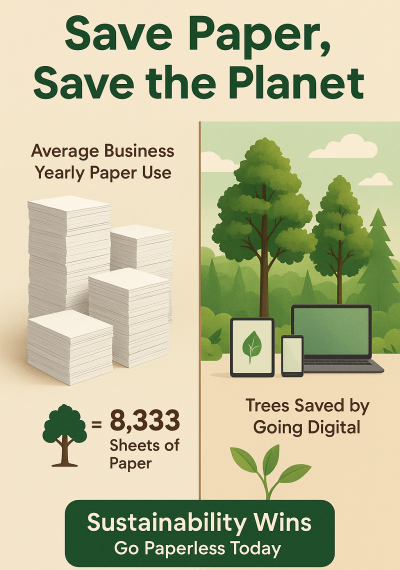
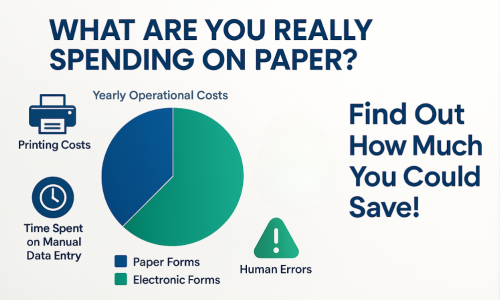
Businesses that switch to electronic forms can significantly reduce costs associated with printing, paper supplies, and document storage. Traditional paper-based systems require businesses to purchase paper, ink, filing cabinets, and other supplies, which can add up over time. Moreover, storing physical records takes up valuable office space and often requires additional resources for managing and organizing documents.
By adopting electronic forms, businesses eliminate these costs. Digital forms require no paper, ink, or physical storage, reducing overhead expenses. In addition, the cloud-based storage of electronic forms allows for more efficient organization and retrieval of records. These savings can be reinvested in other areas of the business, further driving growth and operational improvements.
In addition to financial savings, going paperless also has significant environmental benefits. The production of paper requires the harvesting of trees, which leads to deforestation and contributes to carbon emissions. By eliminating paper from business operations, companies help reduce their environmental footprint and contribute to the conservation of natural resources.
Adopting electronic forms is a simple yet effective way for businesses to support eco-friendly practices. It reduces the demand for paper and ink, conserves water, and minimizes waste. Furthermore, businesses that embrace sustainability are increasingly favored by environmentally conscious consumers, improving their brand reputation and competitive edge.
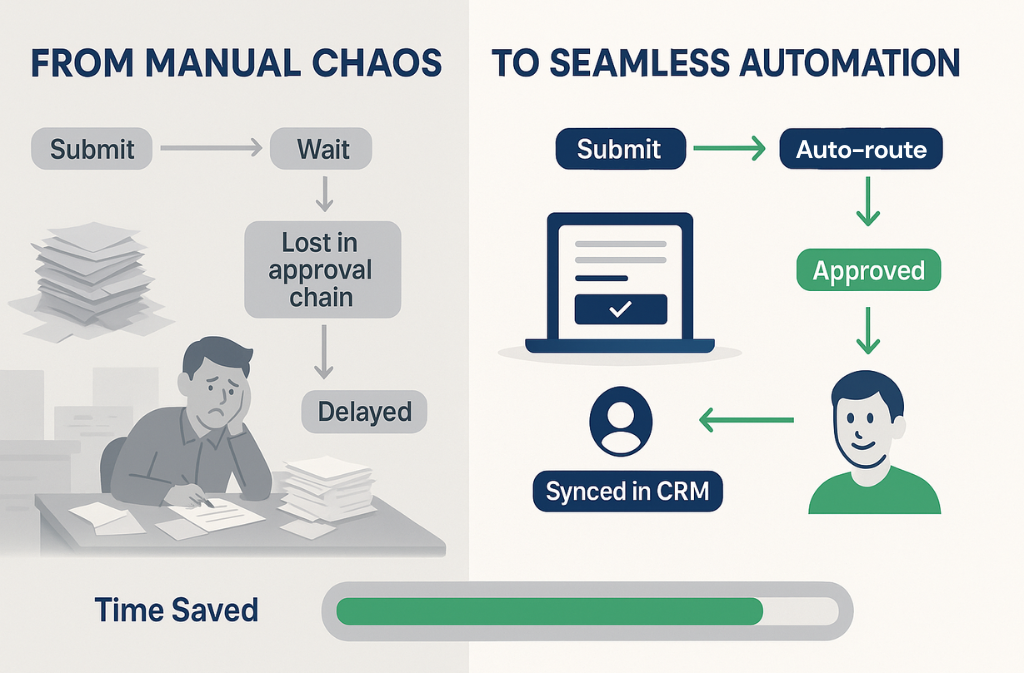
Data entry is an essential but time-consuming part of many business processes. Traditional paper forms require employees to manually input data into spreadsheets, databases, or enterprise resource planning (ERP) systems. This manual process is not only labor-intensive but also prone to human error, leading to inaccuracies and inefficiencies.
Electronic forms eliminate these issues by automating data entry. When a user submits a digital form, the information is automatically captured and stored in the appropriate database or system. This automation reduces errors in data entry, ensures accuracy, and creates a more streamlined
streamlined workflow that enhances business efficiency. In many cases, these forms integrate directly with existing business systems, such as customer relationship management (CRM) or enterprise resource planning (ERP) systems, enabling seamless synchronization of data across platforms.
Manual data entry is prone to human errors, leading to inaccuracies that can compromise the integrity of business records. This is especially concerning in industries where data accuracy is critical, such as healthcare, finance, and legal services. Electronic forms use built-in validation tools to ensure the accuracy of submitted data, reducing the risk of mistakes.
For example, electronic forms can automatically check for missing fields, format errors, or inconsistencies in the data being entered. This real-time validation ensures that information is accurate and complete before it is submitted, improving the quality of business records and reducing the need for costly corrections later.
Unlike paper-based records, which can be lost, damaged, or destroyed, electronic forms are securely stored in cloud-based systems. Cloud storage offers several advantages over physical storage, including automatic backups, disaster recovery options, and remote access. In the event of a technical failure or natural disaster, cloud-based storage ensures that data remains safe and accessible.
By storing electronic forms in the cloud, businesses can reduce the risk of data loss and ensure that critical information is always available when needed. Additionally, cloud-based solutions allow for real-time updates and version control, ensuring that all team members are working with the most current information.
Security and compliance are top priorities for businesses that handle sensitive data, such as healthcare providers or financial institutions. Electronic forms are designed with built-in security features that help businesses comply with data protection regulations like the General Data Protection Regulation (GDPR) and the Health Insurance Portability and Accountability Act (HIPAA).
These forms incorporate encryption, role-based access controls, and audit trails to safeguard sensitive information. Encryption ensures that data is protected during transmission and storage, while role-based access controls limit access to authorized individuals. Audit trails provide a transparent record of all interactions with the form, making it easier for businesses to demonstrate compliance during audits.
Another significant benefit of electronic forms is the ability for teams to access, complete, and submit forms instantly from any device, anywhere. This instant access improves team productivity by reducing the time spent searching for physical documents and waiting for approvals. Whether employees are in the office or working remotely, they can collaborate in real-time, share information, and ensure that internal processes move forward without delays.
Additionally, real-time access to forms allows teams to respond to requests or make decisions quickly, improving
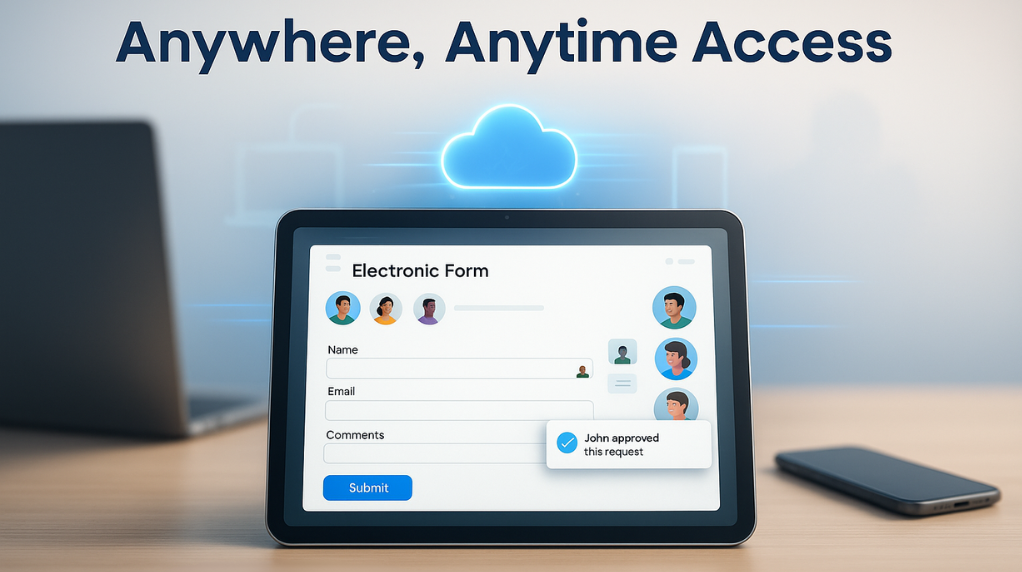
overall operational efficiency. With paper forms, physical proximity to documents and manual handling can slow down workflow, especially if documents need to be transported between departments or locations. Electronic forms eliminate these hurdles, providing faster communication and enabling quicker decision-making.
One of the most significant advantages of electronic forms is their ability to automate workflows. Electronic forms integrate seamlessly with various business automation tools, enabling companies to automate approval workflows and reduce bottlenecks. By eliminating the manual handling of forms, businesses can ensure faster decision-making and improved collaboration among teams.
For example, when a manager submits an expense report or contract approval request, the form can automatically route to the appropriate parties for review, approval, or rejection. This automated process saves time and reduces the possibility of delays caused by manual handling. Furthermore, it allows employees to focus on higher-value tasks, increasing overall productivity.
As businesses continue to embrace digital transformation, electronic forms will play a key role in modernizing operations. These forms facilitate seamless communication, automate repetitive tasks, and support remote work capabilities, making organizations more agile and competitive. By digitizing data collection and management, businesses can enhance collaboration, reduce operational costs, and improve their ability to respond quickly to changing market conditions.
Selecting the best electronic form solution for your business requires evaluating several factors, including integration capabilities, security features, user-friendliness, and scalability. Businesses should choose platforms that align with their operational needs and provide flexibility for long-term digital growth. The right electronic form solution can help streamline workflows, improve data accuracy, and enhance compliance efforts, driving business success in the digital age.
The transition to electronic forms is no longer an option but a necessity for businesses aiming to enhance efficiency, security, and sustainability. By adopting digital forms, organizations can streamline workflows, cut costs, improve data accuracy, and position themselves for long-term success in the digital age. As digital transformation continues to reshape business operations, electronic forms will be at the forefront of this change, helping businesses modernize their processes and stay competitive.
Ready to take the next step in your digital transformation? American Business Solutions’ ISDOCS solution empowers your organization with secure, efficient, and cost-effective electronic forms that streamline operations, reduce errors, and ensure compliance.
Contact us today to discover how ISDOCS can simplify processes and help your business thrive in the digital era!